Looking for the best metaverse cryptocurrencies with 100X potential in the next bull market? If you’re aiming to build a portfolio of virtual asset gems, this data-driven guide is your ultimate resource. We’ve analyzed hundreds of projects to bring you the top 10 metaverse coins—complete with deep dives into tokenomics, core fundamentals, roadmap milestones, and key accumulation price ranges. Let’s dive in.
The metaverse ecosystem exploded during the 2021 crypto season, with major tokens like SAND, MANA, and AXS leading the charge. Yet, for the past three years, many of these assets have consolidated within defined ranges—a classic sign of accumulation before a potential breakout.
Now, leading blockchain analysts and NFT influencers are predicting a powerful resurgence for metaverse and virtual asset projects by 2026. For forward-thinking investors, this represents a strategic window of opportunity.
That’s why we’ve conducted exhaustive due diligence on the metaverse sector. Our goal: to identify the projects with the strongest fundamentals, most innovative roadmaps, and highest growth potential for the coming cycle.
Below, we break down our top 10 selections. Each analysis is designed to give you the clear, actionable insight needed to make informed investment decisions.
Don’t just watch the next bull run—position for it. Explore these top metaverse crypto projects now, analyze their accumulation zones, and learn how they could power your portfolio’s future growth. Start your research here.
Best Metaverse Crypto Picks for 2026:
Axie Infinity
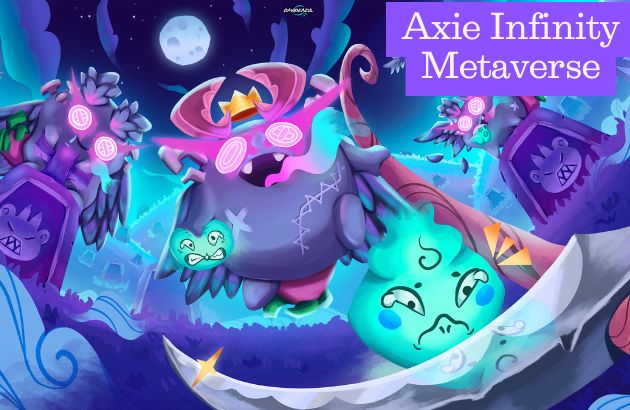
Axie Infinity isn’t making a comeback—it’s leading an evolution. The project that defined “play-to-earn” is executing a strategic pivot, transitioning from a single game into a foundational, player-owned metaverse economy. This isn’t about chasing short-term token pumps. It’s about building sustainable depth, transparent governance, and genuine digital ownership. Axie is signaling a new era for Web3 gaming, one built to last.
The Vision: A Unified Gaming Universe
Forget one-hit wonders. Axie Infinity’s master plan is a seamless “lifetime of gaming experiences” accessible through one core application. The goal is to evolve from a single play-to-earn title into a cohesive, player-owned metaverse—a “Web3 Nintendo” where NFT assets, creator economies, and social gameplay interconnect to form a lasting digital world.
Power to the Players: Governance & Treasury
True ownership requires real control. Axie is operationalizing this through its Axie Governance Portal, powered by a community treasury exceeding $23 million. This isn’t symbolic; it’s substantive. AXS holders now directly steer ecosystem development, voting on funding, upgrades, and strategy. This move toward gradual decentralization is a critical foundation for long-term stability and trust.
Market Resilience: Proof Amidst the Downturn
While the broader gaming NFT sector contracted by 17% year-over-year, Axie demonstrated notable resilience, generating over $1M in NFT sales in Q3 2025. This activity, fueled by its entrenched communities in Southeast Asia and Latin America, points to a dedicated user base many competitors lack. It’s a signal of underlying strength, not just past hype.
The 2026 Outlook: A Cyclical Comeback Story
Leading research platforms are now flagging AXS as a potential high-conviction rebound play. As blockchain gaming regains momentum, Axie’s established ecosystem, pipeline of new experiences, and expanding utility (through governance, staking, and incentives) position it for a powerful re-rating. The consensus is clear: Axie Infinity is cyclical, not obsolete. For strategic investors, this consolidation phase may represent a critical accumulation window before its next growth chapter.
| Token | AXS |
| Market Cap | $170 Million+ |
| Total Supply | 270M AXS |
| Circulating Supply | 167.37M AXS |
| ATH/ATL | $165.37/$0.1234 |
| Website | axieinfinity.com |
The roadmap tells the bigger story. Axie is building a multi-game, socially rich metaverse where land gameplay, new titles like the teased “Project T,” and community-created content all coexist inside Lunacia. This signals a long-term transformation from early-cycle NFT hype to a sustainable, player-owned digital world.
Bottom line? Axie Infinity is evolving and if the team keeps shipping meaningful content and strengthening utility, it could easily remain one of the defining metaverse projects for years to come.
Sandbox
The Sandbox isn’t just another virtual world—it’s the blueprint for a user-generated metaverse. Its journey from a simple 2012 mobile game to a leading Ethereum-based ecosystem reveals a masterclass in strategic evolution. Today, it stands as a foundational pillar of Web3, powered by a trinity of forces: unrestricted user creativity, true digital land ownership (LAND), and the versatile SAND utility token. This framework doesn’t just host a metaverse; it empowers creators to build, monetize, and govern it.
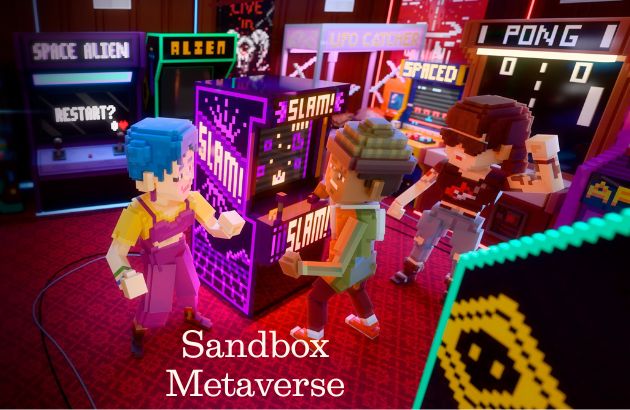
The Sandbox didn’t just join the metaverse wave—it became a cornerstone of it. Its breakout was catalyzed by the late-2021 Alpha Season and a landmark $93M Series B round led by SoftBank. But what cemented its status was a creator-first revolution.
The Game Maker and VoxEdit toolkits democratized world-building, transforming user-generated content into a powerhouse that drove LAND NFT sales into the hundreds of millions.
Engagement Defies the Bear Market
Even during broader downturns, The Sandbox maintains a deeply engaged community. Alpha Season 4 (Q4 2024) drew over 580,000 unique players who completed 49 million quests. Furthermore, new LAND sales in mid-2025 still generated over $1.66 million, proving persistent demand for prime digital real estate.
The 2025-2026 Catalyst Pipeline
Growth is accelerating with two major initiatives:
- Mobile Launch & Multiplayer Upgrades: A mobile version and enhanced multiplayer system will dramatically lower the barrier to entry, potentially onboarding millions of new users.
- Unmatched Brand Firepower: With 400+ existing partnerships and new collaborations with giants like Cirque du Soleil, the platform is set to launch 100+ new branded experiences. This relentless content pipeline creates a competitive moat few can match.
Bottom Line: The Sandbox has evolved from a speculative asset platform into a sustainable, engagement-rich ecosystem with clear catalysts for its next growth phase.
| Token | SAND |
| Market Cap | $360 Million+ |
| Total Supply | 3B SAND |
| Circulating Supply | 2.61B SAND |
| ATH/ATL | $8.44/$0.02894 |
| Website | www.sandbox.game |
Positioned for the Trillion-Dollar Metaverse
The macro trajectory is undeniable: hundreds of millions—eventually billions—of users are forecasted to enter the metaverse by 2030. The Sandbox isn’t just waiting for this wave; it’s built to capture a dominant share. With its robust infrastructure, thriving creator economy, and unstoppable partnership engine, it stands as one of the most durable and high-conviction long-term plays in the virtual world landscape.
The Final Takeaway
The Sandbox transcends the concept of a single virtual space. It is methodically constructing the essential backbone for a new digital frontier—a future where creation, ownership, and monetization are democratized. This isn’t just a platform; it’s the foundation for the open metaverse itself.
Enjin
While many metaverse projects are built on speculation, Enjin is built on a proven, gamer-first foundation. It didn’t emerge from the 2021 hype cycle; its origins trace back to a 2009 gaming platform that has already scaled to over 20 million registered users and 250,000 gaming communities. This isn’t a hypothetical audience—it’s an established, active network that provides a massive competitive moat.
The Strategic Pivot: Bridging Web2 and Web3
Enjin’s power lies in this strategic evolution. It is uniquely positioned to onboard its massive existing user base into the ownership economy of Web3. Instead of building a metaverse from zero, Enjin is integrating true digital asset ownership—through its ENJ token and Efinity blockchain—into the fabric of existing gaming communities. This bridge from Web2 to Web3 makes it one of the most credible and scalable bets in the space, with the infrastructure to turn millions of gamers into metaverse participants.
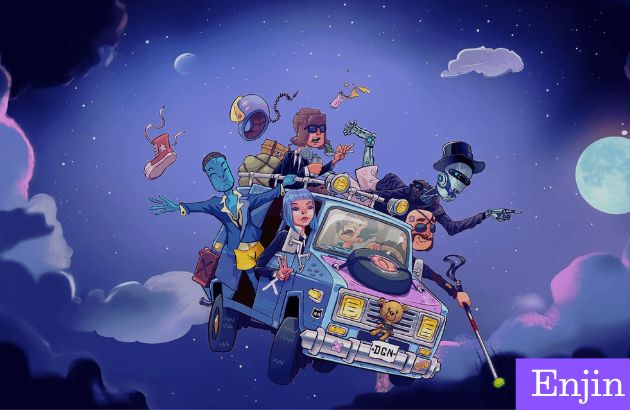
Enjin’s real transformation began with a strategic infrastructure pivot. In September 2023, ENJ migrated from Ethereum to become the native token of its own purpose-built Layer-1 blockchain. This wasn’t a simple upgrade—it was a declaration of intent. The Enjin Blockchain, with its Relaychain and Matrixchains architecture, is engineered from the ground up for NFT scalability, near-zero gas fees, and metaverse-grade throughput.
An Ecosystem Engine, Not a Single Game
Enjin’s core strength is its full-stack, ecosystem-first model. Rather than betting on one hit game, it provides the foundational tools—wallets, APIs, SDKs, and the ERC-1155 NFT standard it pioneered—to power an entire network of games and experiences. This creates genuine interoperability: assets like skins and items become truly player-owned and portable across different projects, building a cohesive digital economy.
Enterprise Validation & Economic Design
Credibility is proven through adoption. Microsoft and Square Enix have leveraged Enjin’s technology for major digital asset initiatives, signaling enterprise-grade trust in its infrastructure. Furthermore, Enjin’s tokenomics introduce a unique value anchor: every minted NFT can be backed by locked ENJ, creating a built-in economic floor and aligning token demand with real ecosystem growth.
The Roadmap & Market Position
While ENJ’s price has cycled with the broader market, its fundamentals have dramatically strengthened. The launch of the $100 Million Efinity Metaverse Fund and a roadmap focused on cross-chain NFT utility position Enjin as a critical infrastructure play. For forward-looking investors, this represents a potential high-conviction accumulation zone in a project bridging the vast Web2 gaming past with the interoperable Web3 future.
| Token | ENJ |
| Market Cap | $60 Million+ |
| Total Supply | 1.94B ENJ |
| Circulating Supply | 1.91B ENJ |
| ATH/ATL | $4.85/$0.01562 |
| Website | enjin.io |
Analyst Outlook: The Infrastructure “Sleeper” Play
Market analysts frequently highlight Enjin as a high-potential sleeper pick for the coming cycle. Its growth thesis isn’t dependent on fleeting hype, but on fundamental drivers: scalable tools, robust infrastructure, and validated enterprise partnerships. As Web3 gaming adoption accelerates, ENJ is positioned at the critical intersection of these forces, poised to capture value from the entire ecosystem’s expansion.
The Bottom Line
Enjin isn’t building a single metaverse world. It is constructing the essential rails—the foundational infrastructure—upon which countless digital worlds and economies will run. This strategic focus on the backbone, rather than the front-end, makes it one of the most compelling, durable, and high-upside infrastructure bets in the blockchain space today.
ApeCoin
Beyond the Token: The Engine of a Web3 Empire
ApeCoin (APE) transcends the typical altcoin label. It functions as the central economic and governance layer for one of Web3’s most iconic universes: the Yuga Labs ecosystem. Launched in March 2022, APE is the utility and governance token that powers everything from the Bored Ape Yacht Club (BAYC) to the expansive, game-like Otherside metaverse.
Governance by the Community, Powered by the DAO
While Yuga Labs drives creative vision, ApeCoin is governed by its community through the ApeCoin DAO. This gives APE holders direct, on-chain voting power over treasury funds, ecosystem grants, partnerships, and the project’s future direction—embedding real, decentralized ownership into the heart of the brand.
Strategic Positioning as a Keystone Asset
Holding APE isn’t just a bet on a metaverse token; it’s a stake in the long-term growth of the entire Yuga Labs portfolio. As the primary currency for experiences, transactions, and governance within this leading ecosystem, APE is positioned to accrue value as the universe expands. This makes it a foundational infrastructure play within the blue-chip NFT and metaverse landscape.

ApeCoin’s fundamental strength is its pre-built, premium community. Its user base isn’t hypothetical—it’s the established collective of BAYC/MAYC holders, amplified by one of history’s most successful metaverse land drops.
Proof of Concept: The Otherside Launch
The April–May 2022 Otherside mint was a watershed moment: 99,900 virtual land NFTs generated roughly $722 million in trading volume within a month. Subsequent tech demons (“Trips”) drew thousands of concurrent players, proving the ecosystem’s rare organic energy and brand power.
Price History & Current Positioning
APE’s price reflects classic crypto volatility—exploding from $1 to over $39 at launch, correcting over 90% in the bear market to ~$0.35 in April 2025. Despite this, it maintains strong daily volume and mid-cap status, underpinned by its fixed 1 billion token supply.
The 2025-2026 Catalyst: Otherside Goes Live
The roadmap is clear: Otherside is evolving into a persistent, social metaverse. With features like Koda Nexus and major brand expansions underway, APE is positioned as the ecosystem’s mandatory utility token—fueling transactions, rewards, and governance. Its future is inextricably linked to the mainstream adoption of Yuga Labs’ flagship virtual world.
| Token | APE |
| Market Cap | $175 Million+ |
| Total Supply | 1B APE |
| Circulating Supply | 752.65M APE |
| ATH/ATL | $39.40/$0.1624 |
| Website | apecoin.com |
Market consensus is clear: ApeCoin is primed for significant upside should metaverse engagement rebound. Its fundamentals—iconic brand association, functional governance utility, and a massive pre-existing community—create a robust foundation for long-term growth, despite inherent market cyclicality.
The Final Take
ApeCoin possesses the critical trio: brand power, community scale, and a dedicated metaverse runway. The blueprint is complete. Now, execution is everything. The successful launch and adoption of Otherside remains the decisive catalyst to unlock its next major growth phase.
Decentraland
Decentraland isn’t just another virtual world—it’s a founding protocol. Its native token, MANA, has been the fuel for one of crypto’s earliest and most ambitious virtual worlds since its 2017 ICO, which raised $24 million—a landmark event years before “metaverse” entered the mainstream lexicon.
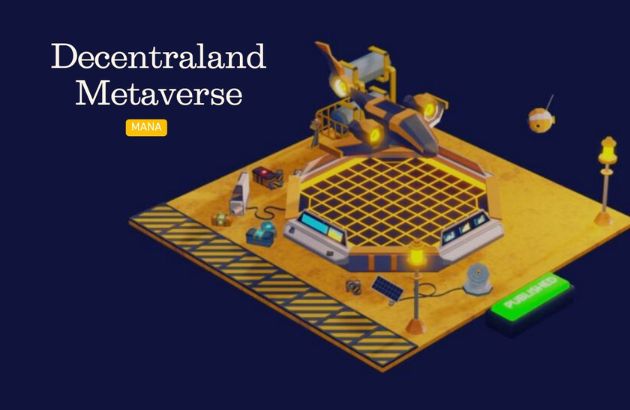
By 2020, Decentraland opened fully to the public, delivering a pioneering vision: a browser-accessible world where LAND parcels, avatars, experiences, and governance are secured on-chain. This established a foundational blueprint for true digital ownership and decentralized virtual economies.
Core Mechanics: A Dual-Token Economy
Decentraland operates on a foundational dual-token model.
- MANA (ERC-20): The fungible currency used to purchase assets and participate in governance.
- LAND (ERC-721): The 90,601 unique NFT parcels that comprise the virtual continent of Genesis City. Owners have full creative rights to build experiences—from galleries to casinos.
Engagement & Utility: An Event-Driven Metaverse
Success isn’t measured solely by daily users, but by major event traction. The platform consistently draws tens of thousands of participants to festivals, concerts, and brand activations, proving its utility as a live virtual events platform.
Price History & Market Position
MANA’s price chart mirrors the metaverse hype cycle. After its 2017 debut under $0.03, it peaked above $5 in November 2021. Despite a >90% correction, it maintains strong liquidity and a hundreds-of-millions market cap, supported by a ~1.9 billion circulating supply.
Governance & Long-Term Value
MANA is fundamentally utility-driven. It is the required currency for all in-world transactions and, as wrapped MANA (wMANA), serves as the governance token for the Decentraland DAO. This grants holders direct voting power over the treasury and the platform’s future, aligning investment with ecosystem control.
| Token | MANA |
| Market Cap | $300 Million+ |
| Total Supply | 2.19B MANA |
| Circulating Supply | 1.96B MANA |
| ATH/ATL | $5.90/$0.007883 |
| Website | decentraland.org |
GALA
Gala is engineering more than a game—it’s building an entire player-owned ecosystem. Launched in 2019, with its GALA token introduced in 2020, the platform targets a core industry flaw: lack of true digital ownership.
Here, every asset—from characters to items—is a tradable NFT, granting players perpetual ownership and the ability to use assets across multiple titles within the Gala metaverse. This isn’t just a feature; it’s a fundamental shift toward a portable, player-driven economy.
Gala adopts a strategic, anti-fragile model by supporting a diverse portfolio of games—from hits like Town Star and Spider Tanks to a robust pipeline of mobile and PC titles. This multi-game platform has already engaged millions of users, with major events drawing hundreds of thousands of players. The approach mitigates risk and amplifies the network effect across the entire ecosystem.
Token Performance & Market Resilience
GALA’s price reflects the market’s extreme cycles. It surged from ~$0.001 to nearly $0.84 during the 2021 peak, then corrected over 90%. By mid-2025, it trades in the sub-cent range but maintains strong liquidity and a notable market cap, supported by consistent ecosystem activity and a dedicated community.
Building Through the Bear Market
Despite market conditions, Gala has executed key expansions into music and film, while consistently rewarding its decentralized network of node operators with GALA and NFT distributions on a transparent, halving-based schedule. This underscores a commitment to long-term growth irrespective of token price volatility.
| Token | GALA |
| Market Cap | $330 Million+ |
| Max Supply | 50B GALA |
| Circulating Supply | 46.77B GALA |
| ATH/ATL | $0.8367/$0.000151 |
| Website | gala.com |
The next growth phase is driven by GalaChain—a custom, gaming-optimized blockchain built for high throughput, near-zero fees, and seamless NFT minting. This infrastructure shift enables true scalability, supporting everything from microtransactions to deep cross-game interoperability. The roadmap prioritizes on-chain game launches, enhanced asset utility, and expanded revenue streams for creators and node operators.
Positioned for Mainstream Adoption
Gala’s model is uniquely built to capture shifting demand. By combining a diverse game portfolio, true digital ownership, and expanding entertainment verticals (gaming, music, film), it creates a compelling bridge for traditional audiences entering Web3. If blockchain gaming gains mainstream traction, Gala’s ecosystem-first architecture places it in a prime position to benefit.
Final Analysis
While token volatility remains, Gala’s foundational strategy—deep utility, diversified content, and scalable infrastructure—provides notable staying power as the market evolves. It’s not merely riding the metaverse trend; it’s building a sustainable, participant-owned entertainment network.
SHIB Metaverse
Shiba Inu is executing a decisive pivot from meme token to functional metaverse ecosystem. Its flagship initiative, SHIB: The Metaverse, aims to deliver immersive 3D experiences, virtual land ownership, and on-chain social hubs.
The project launched in April 2022 with a land auction for 100,595 plots. Development has progressed to early-access exploration on Shibarium—its dedicated, low-cost Layer-2 blockchain. Users can now mint land NFTs and interact with initial hubs, with a phased public rollout continuing through 2025-2026.
This strategic evolution leverages the massive SHIB community, channeling it toward a tangible, utility-driven digital economy built on its own scalable infrastructure.
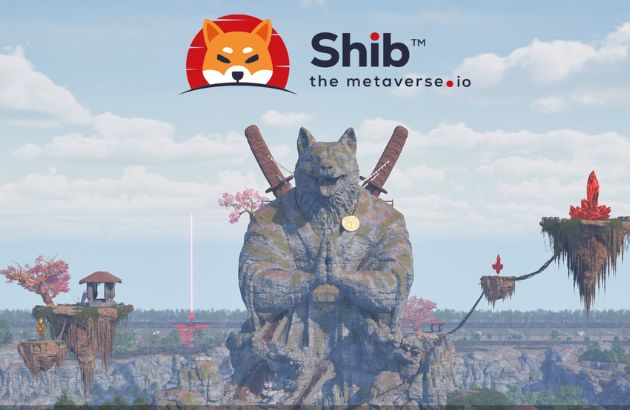
Shiba Inu’s metaverse strategy prioritizes long-term ecosystem development over short-term user metrics. The focus is on cultivating a dedicated landholder base and constructing high-fidelity visual hubs like “Rocket Pond,” built with Unreal Engine 5 for a premium experience.
A Phased, Infrastructure-First Roadmap
With over 100,000 land plots across themed districts, the framework is designed for scale. Development is a continuous process of expanding hubs, refining environments, and releasing creator tools, all tightly integrated with Shibarium for low-cost transactions.
Evolving Token Utility & Economics
Future growth is linked to new ecosystem tokens: TREAT for rewards and the planned SHI stablecoin for payments. These are designed to create a seamless in-world economy, connecting metaverse gameplay directly to a broader decentralized finance (DeFi) framework.
| Token | SHIB |
| Market Cap | $4.9 Billion+ |
| Total Supply | 589.5T SHIB |
| Circulating Supply | 589.24T SHIB |
| ATH/ATL | $0.00008845/$0.0108165 |
| Website | shibatoken.com |
While SHIB’s price remains tied to broader crypto cycles, a clear analyst consensus has emerged by 2024–2025: the metaverse is central to SHIB’s transformation. This initiative is pivotal to its evolution from a meme-based asset into a multi-utility ecosystem encompassing DeFi, gaming, and immersive digital experiences.
The Path Forward: Execution is Key
Leveraging ongoing Shibarium upgrades, consistent hub expansion, and the formidable “Shib Army” community, SHIB: The Metaverse possesses the foundational elements to mature into a major virtual destination. Its success is contingent on sustained technical execution and community engagement.
Final Outlook
Despite inherent volatility, the long-term trajectory is fundamentally constructive. The project’s strategic pivot toward tangible utility and a structured digital economy provides a substantive pathway for growth, distinguishing it within the competitive metaverse landscape.
Bloktopia
The Vertical Metaverse: A Skyscraper for Crypto
Bloktopia carves a unique niche as a vertical digital city purpose-built for the cryptocurrency community. Launched in 2021 on Polygon for scalability, its core environment is a 21-floor virtual skyscraper—a direct tribute to Bitcoin’s 21 million supply cap.
Within this tower, users can create avatars, explore crypto-branded spaces, engage in games, and attend live events. Central to the experience is virtual real estate ownership, powered by the platform’s native BLOK token, which fuels all transactions and governance within this dedicated crypto hub.
BLOK serves as the essential utility token, enabling virtual land purchases, staking, and in-world rewards. The ecosystem has matured through key milestones, including the May 2023 DAO launch that empowered the community with governance rights. Development progressed with an MVP release in October 2024, allowing users to explore core environments and social features.
A Vertical Hub for Crypto Culture
Bloktopia’s distinct vision is to be the central vertical hub for the global crypto community. Its skyscraper design consolidates dedicated zones for education, trading, events, and even a “Meme Land” into a single, immersive structure. This creates a concentrated destination for learning, networking, and entertainment.
The Roadmap: Deepening Utility with M3TA
The upcoming M3TA suite—including features like the M3TAPASS for exclusive access—aims to significantly enhance interactivity. This initiative focuses on integrating essential Web3 tools directly into the experience, fostering a more unified and utility-rich metaverse for its users.
| Token | BLOK |
| Market Cap | $2.90 Million+ |
| Total Supply | 116.92B BLOK |
| Circulating Supply | 24.79B BLOK |
| ATH/ATL | $0.1777/$0.00009994 |
| Website | www.bloktopia.com |
Bloktopia’s multifunctional design—blending gaming, education, social networking, and DAO governance—gives it a unique product-market fit and strong potential for user retention as the metaverse matures.
Scalability is its framework. If the team successfully activates and populates all 21 levels of its vertical world, Bloktopia is poised to remain a standout, high-engagement destination in the next phase of Web3 growth. Its niche as a dedicated crypto hub provides a clear and defensible competitive moat.
Star Atlas
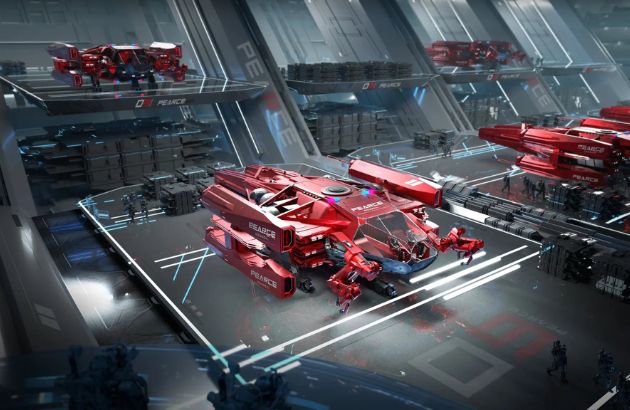
Star Atlas redefines ambition in Web3. This isn’t a simple game; it’s a large-scale, space-faring MMO metaverse set in the year 2620. Players enter a persistent galactic conflict between factions, exploring a universe brought to life with cinematic Unreal Engine 5 graphics.
The outcome is a new standard for immersion: a visually stunning, narrative-driven economy of territory, resources, and strategy. Star Atlas is engineered to feel like a premium AAA experience first, establishing a frontier for play-and-earn within a genuinely captivating sci-fi saga.
A Dual-Token Economy Built for Depth
Star Atlas operates on a sophisticated dual-token model designed for long-term sustainability:
- ATLAS: The in-game currency for transactions, fuel, and purchasing NFTs.
- POLIS: The governance token granting holders voting power over the project’s future.
Since its 2021 launch, it has deployed a vast array of utility NFTs—ships, land, and equipment—that provide players with verifiable ownership of their strategic assets.
Progress Through Playable Modules
Rather than waiting years for a final product, Star Atlas delivers value incrementally. Early modules like SCORE allow players to deploy ship NFTs in passive missions to earn rewards, validating the core economic loop and fostering engagement during development.
The Long-Game Roadmap
The team is transparent about its 5–8 year development horizon for the full AAA experience. This patience is balanced with a consistent rollout of seasonal content, gameplay modules, and governance upgrades, ensuring the community remains invested and the ecosystem matures with purpose. This is a roadmap measured in years, not quarters.
| Token | ATLAS |
| Market Cap | $8 Million+ |
| Total Supply | 36B ATLAS |
| Circulating Supply | 22.47B ATLAS |
| ATH/ATL | $0.2773/$0.0003645 |
| Website | staratlas.com |
Long-Term Outlook: Positioned as the Definitive Sci-Fi Metaverse
Star Atlas occupies a unique tier due to its unmatched combination of AAA visuals, strategic economic depth, true digital ownership, and a governance-driven roadmap. This fusion of high-fidelity gaming with robust Web3 economics creates a powerful competitive moat.
If the blockchain gaming sector matures as projected, Star Atlas is strategically positioned to emerge as the flagship sci-fi metaverse, attracting both dedicated gamers and forward-looking crypto investors seeking projects with foundational staying power.
MetaHero
Metahero addresses a foundational challenge: authentic human representation in digital worlds. Launched in 2021 on BNB Chain, its core innovation is advanced 3D meta-scanning technology that creates ultra-high-definition digital avatars and objects.
Positioned as a critical “photorealism engine,” Metahero enables users to scan themselves, physical items, and products directly into the metaverse. This technology provides the essential pipeline for true digital identity and asset interoperability, moving beyond cartoonish avatars to build a seamless bridge between the physical and virtual realms.
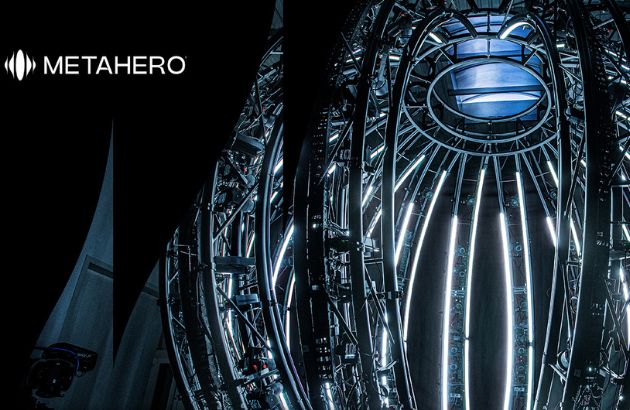
Led by founders Robert Gryn and Piotr Żygadło, Metahero has already scanned over 100,000 individuals, with an ambitious goal to build a database exceeding 10 million ultra-realistic avatars.
A Roadmap Focused on Integration & Commerce
The strategy extends beyond scanning. The roadmap prioritizes:
- Enhanced scanning technology for greater accessibility and detail.
- Deeper integration with partner metaverses like Everdome.
- An NFT marketplace where scanned assets become tradeable, deployable digital property for use across gaming, VR, and e-commerce.
Market Resilience & Execution
While the HERO token peaked above $0.25 in 2021 and corrected with the market, the project distinguishes itself through aggressive execution. Continued partnerships and technological development underscore a focus on long-term infrastructure scaling, not short-term hype.
| Token | HERO |
| Market Cap | $3.70 Million+ |
| Total Supply | 9.76B HERO |
| Circulating Supply | 5.09B HERO |
| ATH/ATL | $0.2518/$0.0002889 |
| Website | metahero.io |
Strategic Outlook: The Gateway to Authentic Digital Identity
As the metaverse evolves toward hyper-realistic, personalized avatars, Metahero is uniquely positioned at the convergence point. Its proprietary scanning technology addresses a critical need: authentic self-representation in immersive digital spaces.
If the next generation of virtual worlds prioritizes realism and seamless identity, Metahero is poised to become a fundamental infrastructure layer—the essential protocol that bridges our physical presence into the digital frontier.