If you are into the blockchain space, you must be aware that many metaverse lands have become more valuable than the real lands on Earth. In reality, some of the virtual land assets surpassed $1 million in the past bull run, which indicates there is huge potential left for the Metaverse in the coming decade.
According to the latest research, many crypto influencers are expecting these virtual real estate prices to shatter more records in the future. In this post, we have covered the top 10 most expensive metaverse land sales that have ever happened in history, along with their detailed information.
List of Most Expensive Metaverse Lands
The Sandbox
Sometimes a single deal in the metaverse makes you sit back and think, “Wow… people are really betting big on digital land.” That’s exactly what happened when one of the most expensive plots in The Sandbox sold, and trust me, this one turned plenty of heads across the crypto world.
The priciest recorded sale so far is a massive 24×24 estate that went for a jaw-dropping $4.3 million (971 ETH) on November 30, 2021. The buyer? Republic Realm, a heavy-hitter in metaverse investing. And they picked it up directly from Atari SA, the iconic gaming company.
This wasn’t just another land flip; this estate became one of the star properties inside The Sandbox, showing how valuable prime virtual locations can be when big development potential is on the table.
A 24×24 estate is huge compared to the usual 1×1 land size. With that kind of digital space, you can go wild with luxury villas, giant gaming arenas, branded stores, you name it. Owning land like this means you can build whatever world you want and even monetize it through events, games, and social experiences.
And the location makes it even juicier. It sits close to some iconic plots, including Snoop Dogg’s virtual mansion, which naturally boosts visibility and future value. In metaverse real estate, being neighbors with celebrities actually matters.
The Sandbox runs on Ethereum but uses Polygon to keep things scalable and cheaper for users. Every land parcel is an NFT, which means it’s easy to verify ownership and trade it on marketplaces like OpenSea.
This $4.3 million purchase basically highlighted how serious both institutions and celebrities are about digital real estate. Republic Realm even added this estate to their broader Fantasy Collection, packed with high-end virtual assets like mega yachts and private islands, all aimed at giving owners that exclusive, digital-luxury vibe.
Deals like this show why The Sandbox has become one of the top metaverse platforms. It mixes blockchain-backed ownership, creator freedom, premium assets, and big-name investors; all ingredients for a fast-growing virtual economy that keeps getting more competitive and more valuable.
Decentraland
It’s funny how one virtual land deal can make the entire crypto crowd stop scrolling for a second. That’s exactly what happened when Decentraland saw its priciest NFT land sale, a moment that felt a bit like watching the digital version of buying property on Fifth Avenue.
Back in June 2024, Metaverse Group, a subsidiary of Tokens.com, grabbed a 6,090-square-foot estate on Decentraland’s famous Fashion Street. The deal cost 618,000 MANA, worth around $2.43 million at the time.
This wasn’t just any plot but it’s basically prime metaverse real estate, built for high-end digital fashion shows, luxury virtual retail, and those exclusive brand moments that make avatars feel like runway stars.
A virtual real estate plot in the online world ‘Decentraland’ sold for a record $2.4 million worth of cryptocurrency https://t.co/NoDHHhVBrY pic.twitter.com/4dbbbnurMv
— Reuters (@Reuters) November 25, 2021
The estate’s big size and perfect location instantly boost its value. With about 116 smaller parcels stitched together, it gives brands tons of room to build immersive setups; think virtual catwalks, branded pop-up worlds, customization lounges, and all kinds of creative retail experiences.
It’s the kind of digital property that feels a lot like owning a corner spot in a luxury shopping district — high traffic, high attention, and high potential.
What really pushes its value, though, is how it lives on the blockchain. The land is an NFT on Ethereum, so ownership is verifiable and forever. No middleman, no confusion, just pure digital scarcity.
And with MANA, Decentraland’s ERC-20 token, powering the economy, the ecosystem has seen wild volatility and sharp growth, especially after big metaverse moves like Facebook turning into Meta.
This record-breaking sale didn’t just make headlines but it strengthened the idea that virtual real estate is becoming a legit asset class. These plots aren’t just empty squares; they’re stages for retail, entertainment, fashion experiences, and community events that can only exist in a 3D digital world.
It’s another clear sign that digital fashion, decentralized ownership, and immersive experiences are shaping the next wave of metaverse expansion.
Axie Infinity
The priciest NFT land ever sold in the Axie Infinity metaverse was a Genesis plot that went for 550 ETH which was roughly $2.5 million back in November 2021. Yep, someone literally bought digital land for the price of a luxury penthouse. But there’s a reason for that. Genesis plots are insanely rare and sit in the most premium spot of the Axie world, making them one of the hottest assets in the entire ecosystem.
Yesterday, an Axie Genesis Plot sold for 550 ETH!
— Axie Infinity (@AxieInfinity) November 25, 2021
This was the largest sale ever for a single plot of digital land ✨🔥
Learn about Land 👇https://t.co/6zPh0roPqG pic.twitter.com/4h5yERCwwO
What makes this land special isn’t just the label “Genesis.” It’s the limited supply and the massive strategic value it brings. These plots aren’t background scenery. They’re the kind of assets that will matter big time when Axie Infinity rolls out more gameplay; things like building out your own virtual properties, farming resources, and taking on those wild chimera monsters. So the land isn’t just a flex. It’s a potential money-maker, a social hub, and basically a core pillar of Axie’s growing metaverse.
Axie Infinity lives on the Ronin sidechain, which helps cut down Ethereum fees and keeps everything smooth for players. This record-breaking sale shows just how confident investors are in virtual land, especially in gaming worlds where users actually spend time. The buyer, known as “Lunacian #789512,” even talked about how digital land is reshaping ownership and helping build new “digital nations.” Pretty bold, but honestly, this sale proves the point. Virtual real estate isn’t just hype anymore — it’s becoming a serious part of blockchain gaming’s value.
Voxels
The most expensive virtual land sold in the Voxels metaverse hit around 100 ETH, or roughly $183,000 in 2025. For a single digital plot. Wild, but it makes sense when you look at how Voxels works. Each land parcel is a one-of-a-kind NFT on Ethereum, and the value comes from pure digital scarcity.
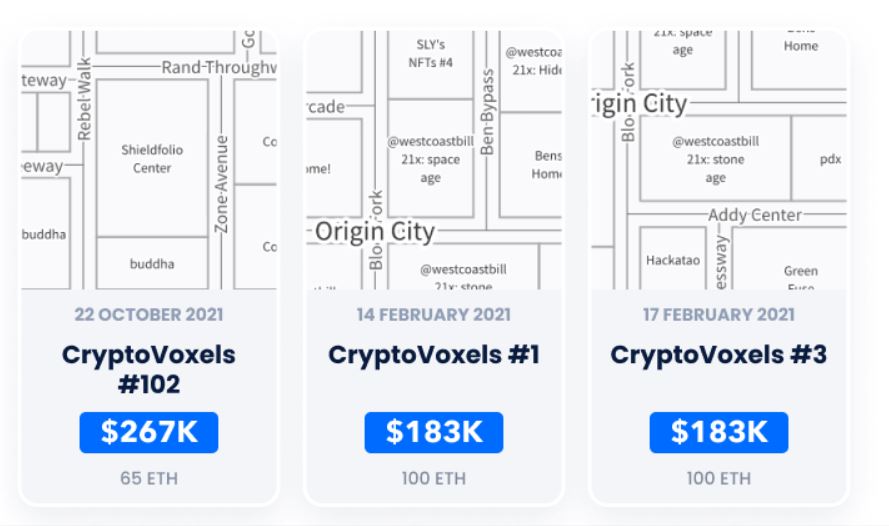
The hottest spots? Voxels’ Original City. That’s where new users spawn, so land near roads, water, or parks gets way more eyes and way more traffic, exactly why these tiny parcels sell at big prices.
Voxels isn’t like The Sandbox or Decentraland with huge estates. Its premium lands are smaller, but the location advantage and active community make them gold. Owners can build anything like voxel art, galleries, event venues, social hangouts, and even monetize through events or NFT sales.
The platform’s Minecraft-style voxel look gives it personality, but the blockchain gives it real ownership. Landholders can shape their world, host experiences, and pull in visitors. And because spots near central hubs are limited, prices stay high.
This record sale shows how strong the Voxels community is; creative, active, and betting big on virtual real estate with real-world value.
Hytopia
Hytopia’s most expensive virtual land sales was around $300,000, show just how valuable its ecosystem has become. And it’s not just “land.” Each parcel is an Ethereum NFT that acts like a fully built game world. Owners get total creative freedom across 10,000 customizable worlds, which is why prices climb so high.
What really sets Hytopia apart is the power it gives creators. You can build full RPGs, social hangouts, battle arenas basically your own mini-game inside the metaverse. This goes way beyond simple ownership. It’s control over the entire player experience, plus the chance to monetize it.
Demand and speculation have pushed prices up, helped by backing from groups like Delphi Ventures, which invested $3 million into Hytopia’s growth. Compared to Sandbox or Decentraland, Hytopia offers far deeper customization, which attracts serious builders and ambitious game devs.
That mix of creativity, ownership, and huge world-building potential is exactly why its top land parcels command premium prices.
Upland
In Upland, the priciest virtual land sits in big-name cities like San Francisco, Manhattan, and now Hong Kong. Since every parcel mirrors a real-world address, prime locations get snapped up fast, and some have sold for over $100,000. That’s the power of scarcity mixed with real-world relevance.
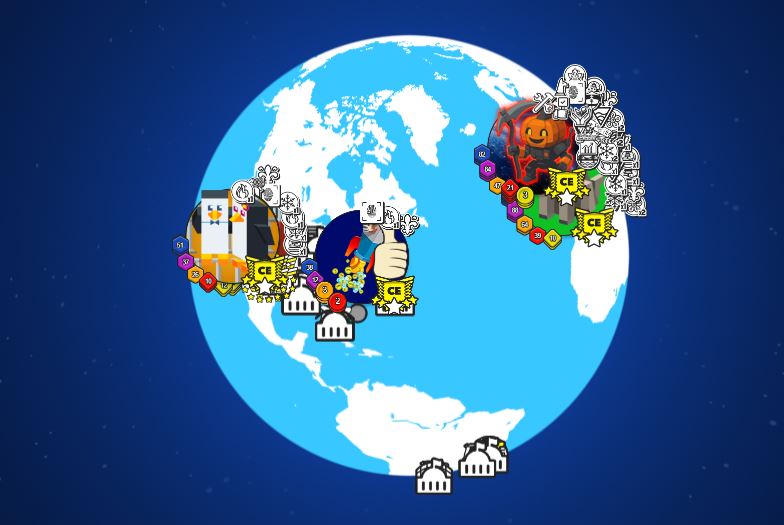
Upland runs on a play-to-own model where users act like digital landlords, earning UPX through ownership, trading, and completing collections (kind of like a blockchain Monopoly). By 2025, the platform crossed 100,000 landowners and 60,000 daily active users, all flipping and developing virtual property. During drops like the Hong Kong launch, thousands of parcels sold out in minutes with some flipping for 50–100x their mint price. Pure frenzy.
The platform uses the EOS blockchain to verify ownership, blending real estate vibes with metaverse gaming. The lands that hit the highest prices always combine three things: prime location, strong trading activity, and a hyper-active community.
That mix of real-world familiarity and blockchain ownership is exactly why Upland stands out in the virtual land market.