Across the Internet, Metaverse could be the next big thing, as tech giants like Facebook (META) have planned to put more than $100 billion dollars in the current decade. According to the latest research papers and trends, the metaverse space is expected to hit a $1 trillion market by the end of 2030.
We have seen the potential of the metaverse in the past bull run, where many gaming/NFT projects have shown parabolic moves with more than 100x ROI.
At present Solana has proved its potential in powering the DeFi, and many metaverse projects have been launched on this blockchain in the past few years.
To make crypto users more aware, we have curated this list of the best Solana Metaverse projects that have huge potential for growth in this decade. Along with basic info, we have provided an expert-researched overview about the projects along with details like their working mechanism, future roadmap, and potential.
List of Best Solana Metaverse Projects
Solice
Solice is a VR-powered metaverse built on Solana, designed to let users play, build, own, and socialize in an open 3D world. Launched in 2021–2022, it feels similar to Decentraland or The Sandbox but stands out with true cross-platform access; mobile, PC, and full VR headsets. Users can buy one of 60,000 land plots, create mini-games, build NFTs, and monetize their creations.
The $SLC token powers everything from transactions to governance and staking.
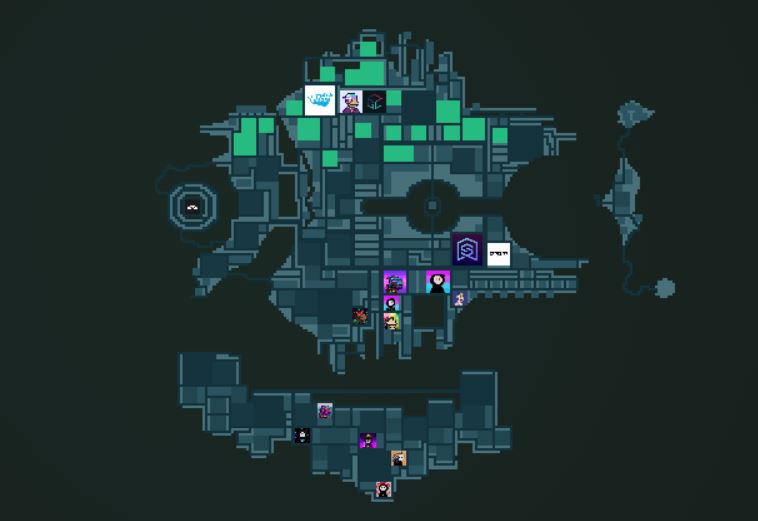
Thanks to Solana’s fast and low-cost blockchain, Solice delivers smooth VR interactions and secure asset ownership. Its 400 million token supply is structured to reward users, investors, and builders. Inside the world, players can complete quests, raise pets, explore dungeons, and participate in social events, all while the platform pushes interoperability across virtual universes.
Total Supply: 400M SLC
Circulating Supply: 43.2M SLC
Website: solice.io
With ongoing updates like more multiplayer features, new mini-games, expanded staking, and richer social tools, Solice is shaping into a strong contender in Solana’s metaverse ecosystem. Backed by $4.3M in funding and a growing community, it has the tech and momentum to become one of the standout VR worlds in Web3.
Portals
Portals is a web-native metaverse built on Solana, launched in early 2021. Think of it as the “Roblox of Web3”—a place where anyone can jump in from a browser, no VR gear needed, and create customizable 3D spaces.
Users buy land as Solana NFTs, build rooms, design mini-games, set up hangouts or galleries, and even showcase Ethereum NFTs. The platform thrives on user-generated content, turning Portals into a lively digital city you can explore, play in, and socialize inside.
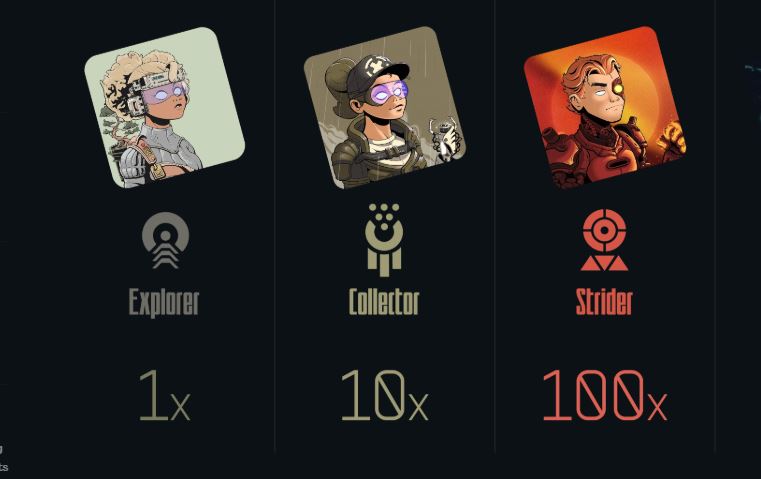
Fast and cheap Solana transactions keep everything smooth, starting from minting to trading assets. Portals also packs in social tools like voice chat, emotes, and friend lists. Its native token, $PORTAL, powers land purchases, in-game items, staking, and governance, with a supply capped at 1 billion.
Market Cap: $3.90M+
Total Supply: 1B PORTALS
Max Supply: 1B PORTALS
Circulating Supply: 230M PORTALS
Website: portalsfoundation.org
The roadmap pushes toward richer customization, stronger social tools, dev-friendly SDKs, and eventually AR/VR and mobile support. With its easy accessibility, creative freedom, and growing ecosystem, Portals is positioning itself as one of Solana’s most promising social hubs in the Web3 metaverse.
Star Atlas
Star Atlas is a high-end, space-themed MMO metaverse built on Solana, debuting in late 2020. Powered by Unreal Engine 5, the game lets users explore a massive, procedurally generated galaxy, fly NFT-based ships, mine resources, craft gear, trade assets, and battle for control across three factions: humans, aliens, and androids.
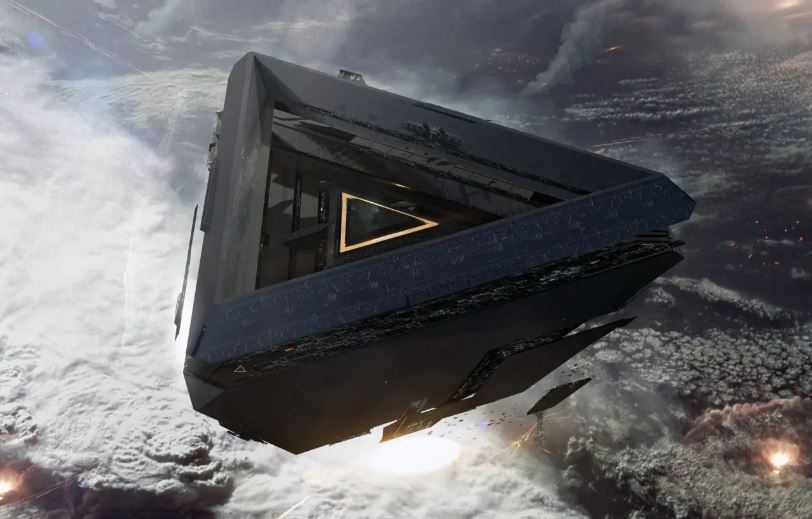
The ecosystem runs on a dual-token model. ATLAS fuels in-game transactions and asset ownership, while POLIS governs the Star Atlas DAO, giving players direct influence over the project’s evolution. A deeply structured, player-driven economy; complete with supply chains, resource management, and built-in deflationary mechanics which aims to keep the metaverse economically sustainable.
Market Cap: $8.50M+
Total Supply: 36B ATLAS
Circulating Supply: 22.47B ATLAS
Website: staratlas.com
The team has launched the Galactic Marketplace for NFT trading and is developing new modules covering faction warfare, land ownership, and modular station upgrades.
With its AAA production quality and blockchain-powered ownership layer, Star Atlas is positioning itself as one of Solana’s flagship metaverse projects, with a roadmap focused on scaling gameplay depth and expanding decentralized governance.
Solmoon
Solmoon is a pixel-style metaverse on Solana where players mint and collect unique planet NFTs inside a retro, immersive universe. The project launched recently and features 7,777 collectible planets, each with its own traits and rarity. You can explore worlds, open NFT packs, and show off your pixel planets across the growing “Solmoverse.”
The native token, SOLMO, powers all in-game transactions. Instead of chasing ultra-realistic 3D graphics, Solmoon leans into nostalgic pixel art by giving collectors a fresh twist on metaverse exploration. Some planets even include rare 1/1 designs inspired by real celestial bodies, adding extra bragging rights for collectors.
Built on Solana, the game benefits from fast, low-cost transactions, which keeps NFT trading smooth and gameplay hassle-free. The roadmap includes expanding the universe, adding more interactive exploration, and integrating deeper into the Solana metaverse ecosystem. With consistent updates, unique drops, and a strong pixel-art identity, Solmoon is shaping up to be a niche but promising metaverse experience.
Overall, Solmoon mixes pixel art charm with NFT ownership and simple, engaging gameplay that creates a fun metaverse with room to grow.
Afflarium
Afflarium is a VR-ready metaverse on Solana that lets players jump into four distinct worlds, each offering its own style of gameplay. Launched around 2021, it works on desktop and mobile, giving users room to battle for rare NFTs, run virtual shops, build structures, or just hang out in a social hub with no combat.
There’s also an arcade world packed with survival games, puzzles, and challenges.
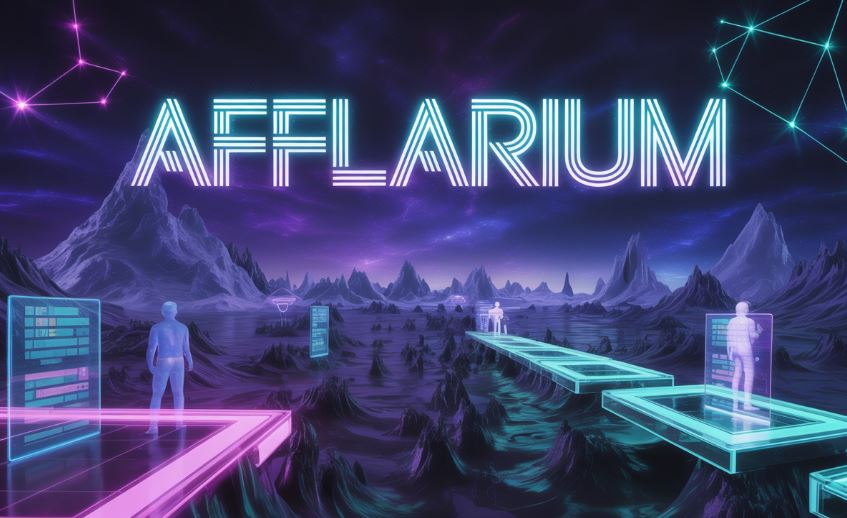
Its native token, AAFL, fuels everything, starting from in-game purchases and staking rewards to unlocking premium zones. With Solana’s fast and low-cost network under the hood, Afflarium delivers smooth gameplay, secure asset ownership, and a VR experience that feels genuinely immersive.
The team is expanding gameplay modes, social features, and NFT drops to keep users engaged and the economy growing. By combining VR immersion, player freedom, and cross-device accessibility, Afflarium is carving a strong niche in the Solana metaverse.
Website: afflarium.com
In short, Afflarium blends gaming, social interaction, and digital ownership into one versatile, VR-powered virtual world.
Cyrowar
Cryowar is a fast-paced PvP arena game built on Solana and powered by Unreal Engine. Launched around 2020–2021, it mixes medieval-meets-futuristic combat with blockchain perks like NFTs, DeFi rewards, and DAO governance.
Players dive into 1v1v1 battles using unique heroes, each with their own abilities and playstyles, making every match a quick, skill-based showdown.
The new generation of Cryo Marks⚜️ began a civil war, relentlessly fighting each in an apocalyptic battle called #Cryowar💥 #PvP #mobilegaming pic.twitter.com/AcOfvxx56k
— Cryowar (@CryowarDevs) August 9, 2025
The CWAR token sits at the center of the ecosystem. It’s used for buying skins, items, land, and pets, as well as staking, governance votes, and tournament entry. Cryowar also uses deflationary mechanics like burning tokens and reinvesting fees which keeps the economy healthy and long-term value stable.
Market Cap: $200k+
Total Supply: 1B CWAR
Circulating Supply: 260M CWAR
Website: cryowar.com
The game runs on both mobile and desktop, with plans to expand game modes, deepen metaverse integration, and build a multi-chain medieval universe with no boundaries.
In short, Cryowar blends speed, strategy, NFTs, and real economic rewards, giving it strong potential in Solana’s growing blockchain gaming scene.